
Below is how the system applies across the diesel-powered industries we serve. In every case, the savings are re-established on your own equipment during a pilot — to a 6% minimum, measured on your own data, or you don't pay.
On-road diesel fleets
Long-haul, regional, and last-mile fleets are where our system has been proven hardest. On-road diesels run hot and loaded for hours at a time — exactly the condition where incomplete combustion quietly wastes fuel on every injection.
- Tractors, box trucks, refrigerated units, and delivery vans
- Verified on the telematics you already run — Samsara, Motive, or Geotab
- No ECU connection, no calibration change, no driver retraining
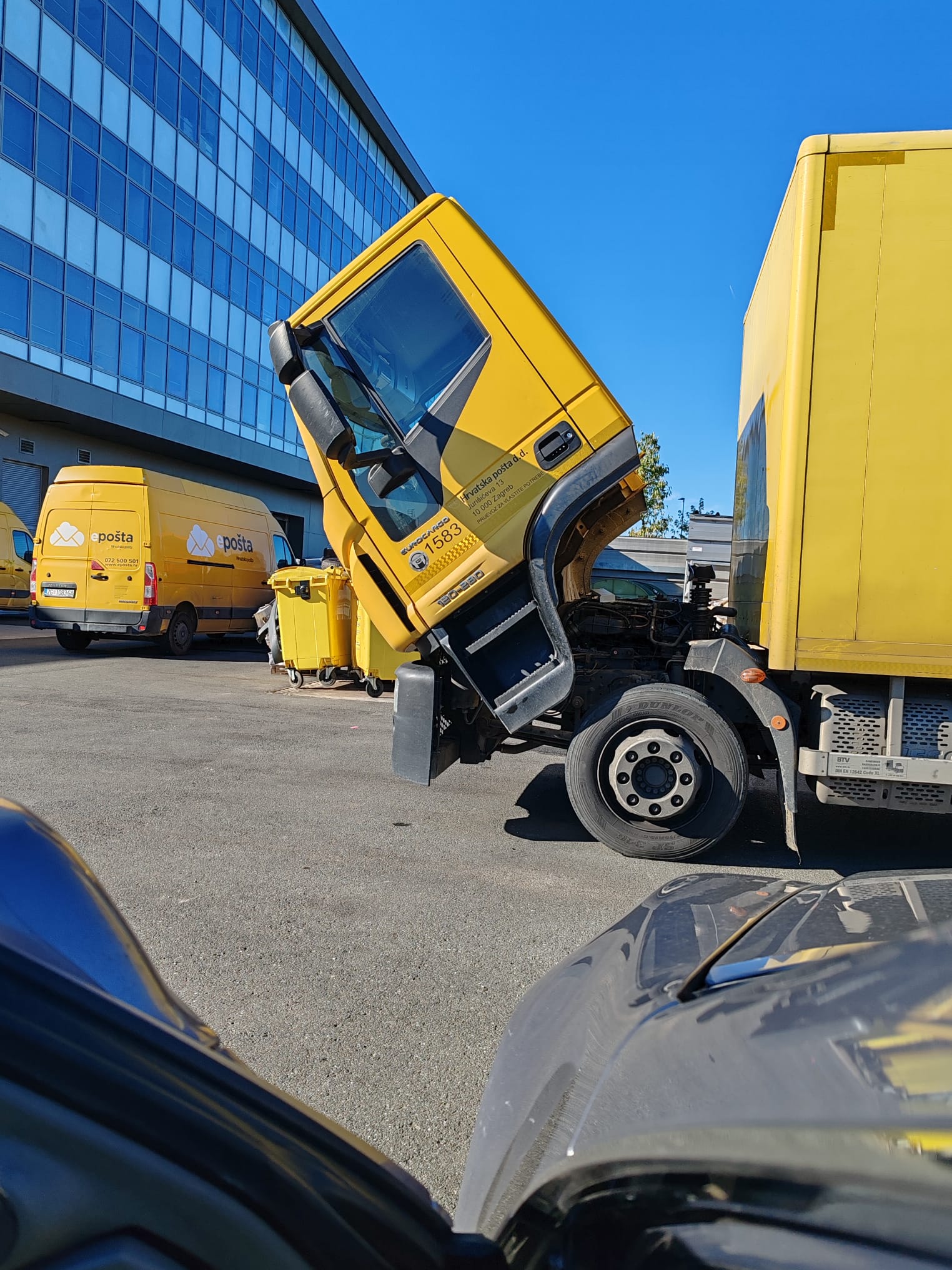
Croatian Post fitted the aeBooster to its own fleet and recorded an 18.9% fuel reduction on a Renault Master over a 2,322 km trial, and 9.92% on Iveco S-Way heavy units — on its own data, with the manufacturer not present.
Vessels and onboard power
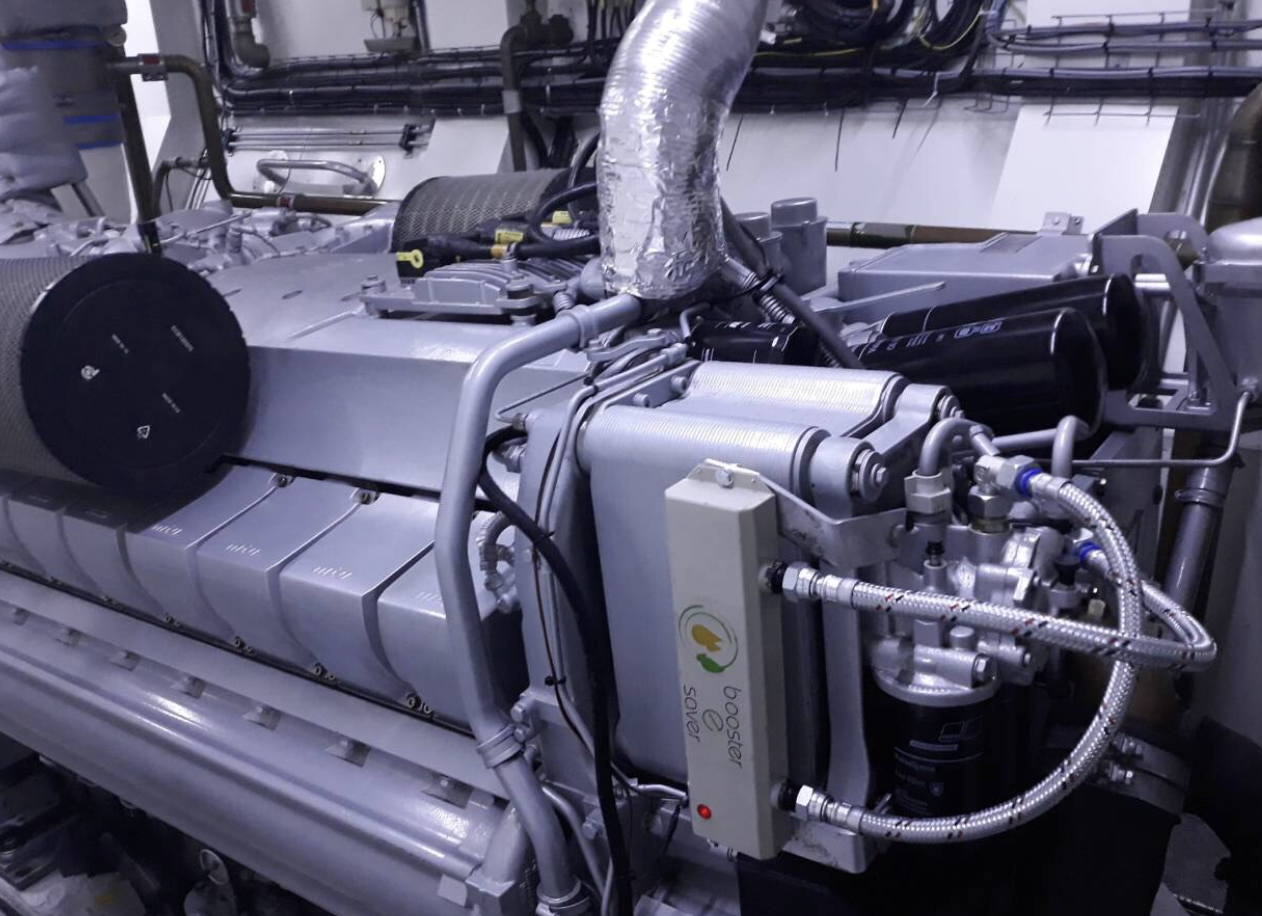
Workboats, ferries, fishing vessels, tugs, and the gensets that run alongside them. Marine diesels operate at sustained high load, fuel is one of the largest line items on the vessel, and service access is limited — so a cleaner, more complete burn compounds over long run hours.
- Propulsion diesels and auxiliary generator sets
- Passive and EMC-certified to EN 50498:2010 — no interference with navigation or onboard electronics
- No ECU connection and no change to the fuel you bunker
Diesel gensets, standby and prime
Data centers, hospitals, telecom sites, events, and remote operations all lean on diesel gensets for standby and prime power. Gensets tend to run at steady load for long hours, which makes fuel the dominant operating cost and soot the thing that drives service intervals.
- Standby and prime-power gensets and CHP units
- A more complete burn lowers fuel consumed per kWh and reduces soot loading
- No interaction with genset controls, governor, or warranty
Construction, mining & agriculture
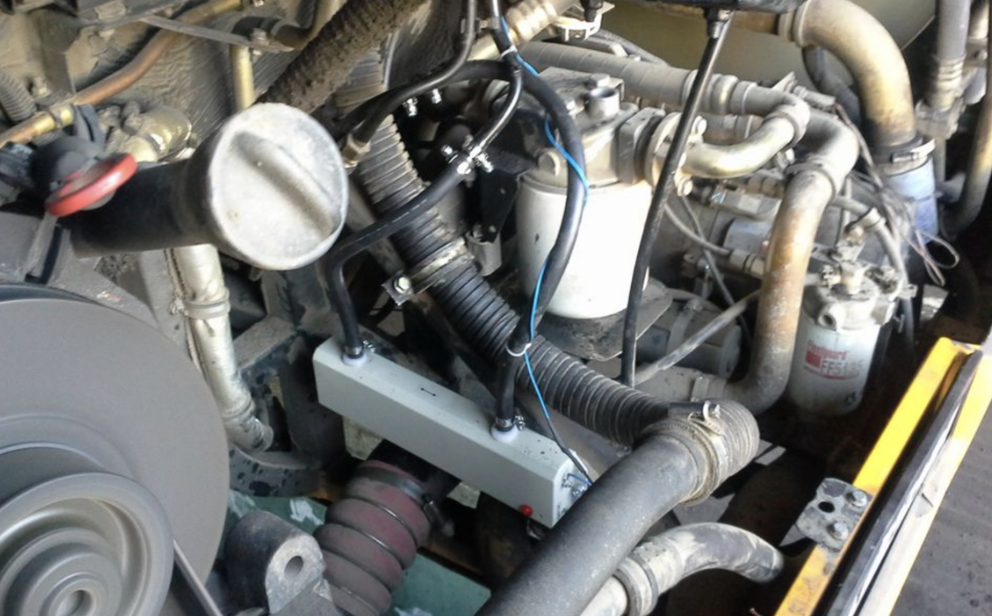
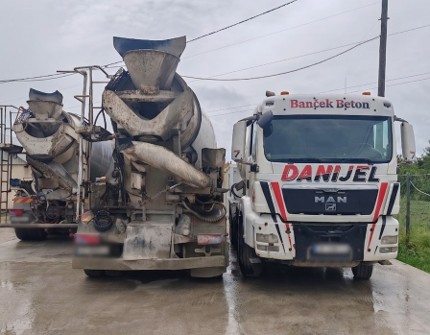
Excavators, wheel loaders, dozers, haul trucks, tractors, and the off-road gensets that support them. Off-road diesels see heavy, variable load and long idle hours, and the fuel is often trucked to remote sites at a premium — so every percent of cleaner combustion lands directly on cost per operating hour.
- Earthmoving, material handling, and agricultural diesel fleets
- Lower fuel cost per machine-hour and reduced soot and DPF loading
- Installs during a normal service window; the machine stays on rotation
Diesel-electric locomotives
Most freight in the U.S. moves on diesel-electric locomotives, and fuel is the single largest controllable operating cost on the railroad. The prime mover runs at high, sustained load for long stretches — exactly the condition where a more complete burn compounds across thousands of gallons.
- Line-haul freight locomotives, yard switchers, and short-line and passenger diesel-electric sets
- Fits the fuel system ahead of the prime mover — passive, with no connection to locomotive control systems
- A cleaner, more complete burn lowers both fuel use and soot, the two biggest drivers of cost and shop time
Tell us what you run.
Whatever the asset, the path is the same: we model your baseline, install on one unit at our cost, and measure the result on your own data. If a pilot unit doesn't clear 6%, the equipment comes off and no invoice is issued.
Request an evaluation