The aeBooster electronic fuel filter and Duravi Engine Enhancer cut the fuel and maintenance cost of your diesel fleets. We prove it on your assets — measured by your own telematics. Sustainable fleet solutions with ROI, the Aether way.
Most of a diesel engine's wasted energy comes from two places: fuel that doesn't fully combust, and mechanical friction between moving metal surfaces. Aether addresses both simultaneously — one at the point of combustion, one at the metal itself.
Under high thermal and mechanical load, clustered hydrocarbon chains burn incompletely — releasing energy as soot and heat instead of motion. Filtering the fuel before injection restores a cleaner, more complete burn.
Microscopic asperities on internal metal surfaces generate friction, heat, and wear that compound over an engine's life. Hardening and smoothing those surfaces at the molecular level reduces parasitic loss and degradation.
The same aeBooster electronic fuel filter and Duravi engine catalyst apply wherever diesel does the work. What changes is the duty cycle and the price of fuel — the 6% verified floor doesn't.
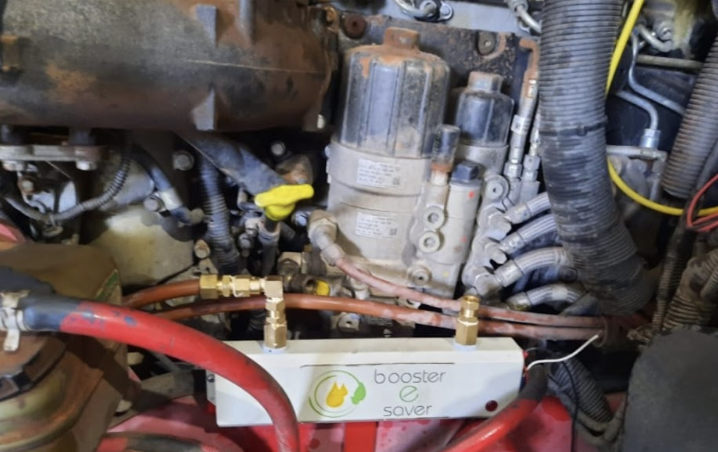
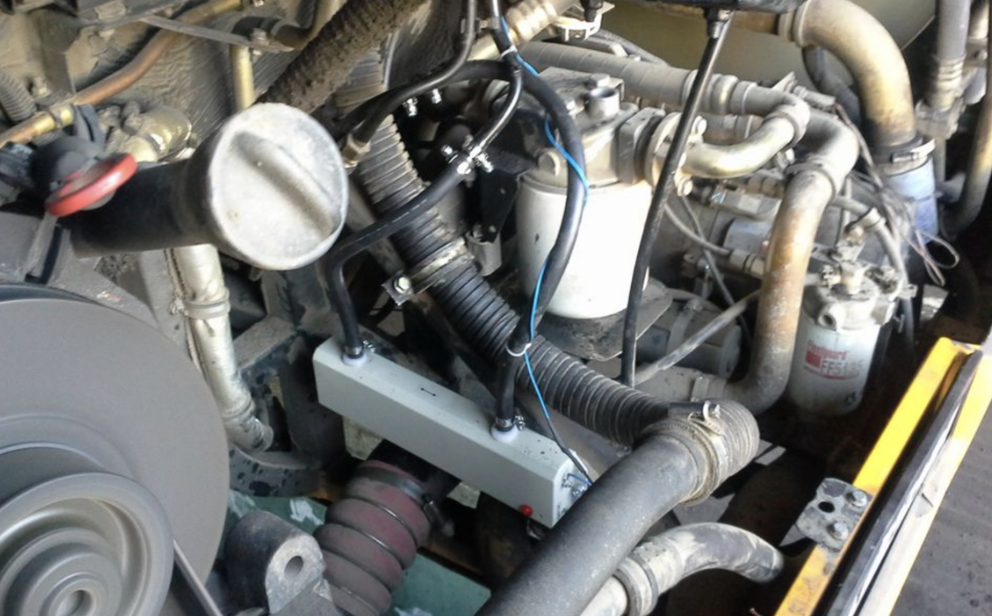
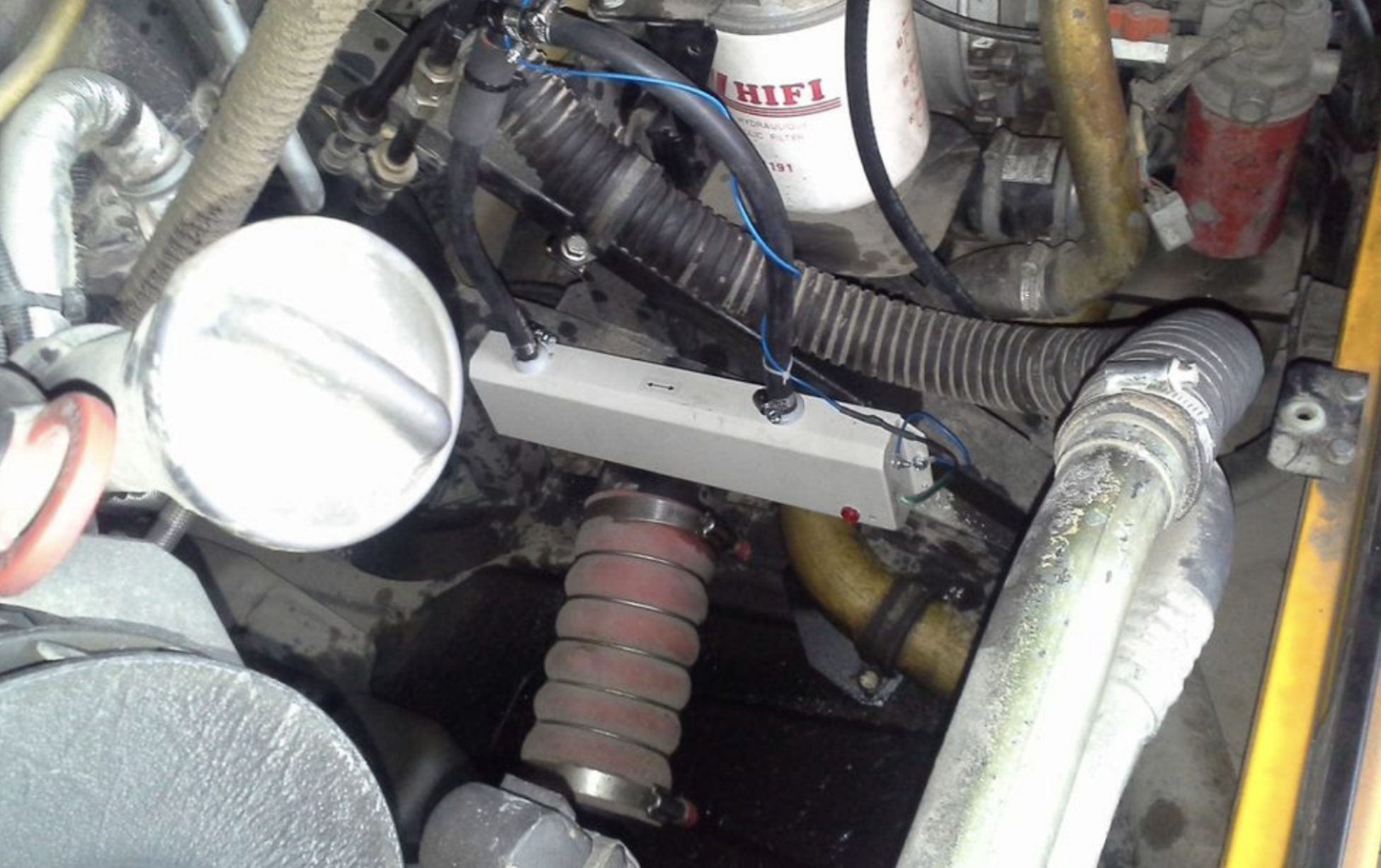
The aeBooster is an inline electronic fuel filter for diesel engines. It installs on the fuel line between the tank and the engine and acts on the fuel in the moments before injection for a cleaner, more complete burn — no ECU connection, no moving parts, and no change to the fuel you buy.
The passive unit is fitted between the fuel filter and the engine and wired to a standard 12V/24V supply. Installation takes under three hours, with no ECU connection and no calibration change — your warranty stays intact.
As diesel flows through, the electronic fuel filter improves how finely the fuel atomizes before it reaches the injectors. Independent lab droplet analysis measures this as finer atomization — smaller, more numerous fuel droplets.
Better-atomized fuel burns more completely in the cylinder: less soot and unburned fuel, lower consumption, and cleaner exhaust. The result is verified on your own telematics during a pilot — to a 6% minimum, or you don't pay.
Mechanisms verified by independent laboratories using controlled dyno testing, electron microscopy, and EMC certification — not internal estimates.
Engine-dynamometer test on a PSA DV6DTED powertrain (report LMV-2018-11-I-1) verified a 6% CO₂ reduction and an 8% NOx reduction at specific operating points.
SEM / EDS analysis measured Duravi-treated wear surfaces at 1138.1 HV versus 901.2 HV for a premium 5W-20 benchmark — and a 50% thinner sub-surface fatigue ("white") zone.
European Union EMC certification confirms zero negative electromagnetic interference with the vehicle's ECU or onboard electronics.
Set the inputs to your operation. The slider defaults to the 6% pilot-verification floor; independent field trials have shown 8–19% under specific conditions. This tool is an illustrative estimate, not a projection of your results.
Same fleet inputs above, applied to the CO₂ and NOx reductions confirmed in independent engine-dynamometer testing — 6% CO₂ and 8% NOx on a PSA DV6DTED powertrain at specific operating points (University of Zagreb, report LMV-2018-11-I-1).
Results recorded on operators' own telematics across multiple engine classes and duty cycles.
| Deployment | Vehicle / engine | Conditions | Measured result |
|---|---|---|---|
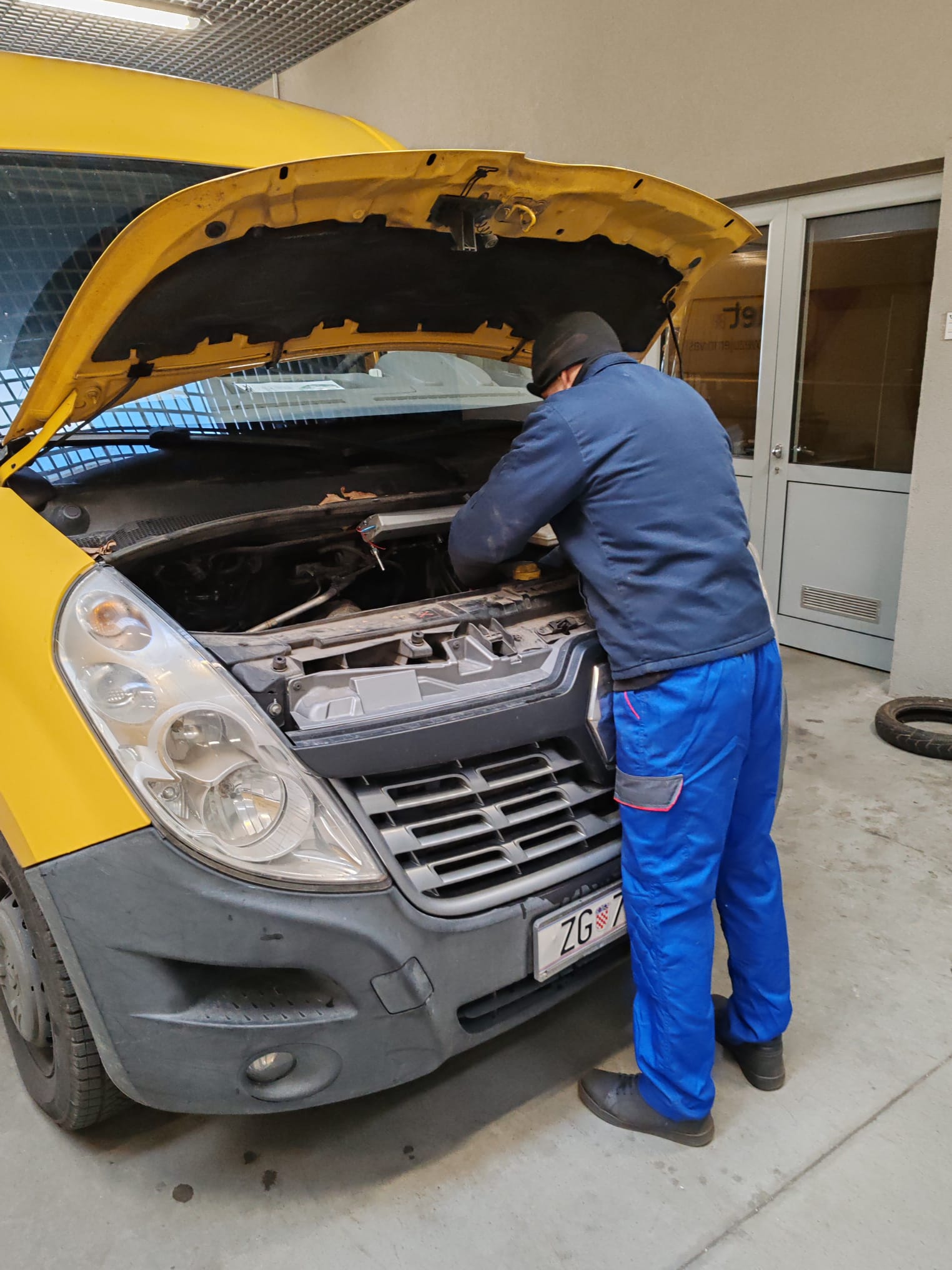
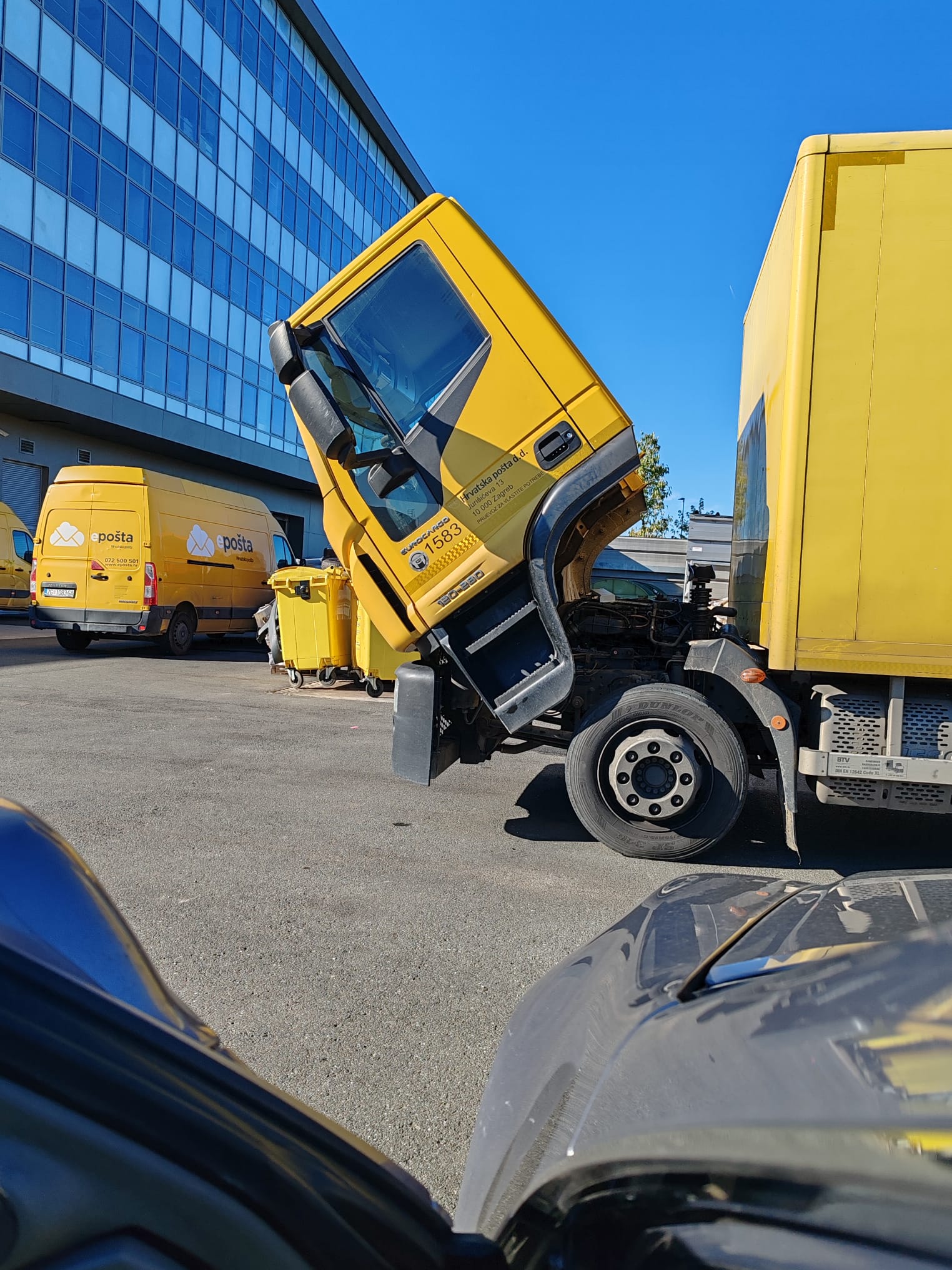
| Croatian Post2,322 km road trial | Renault Master (2018) | 18.27 → 14.81 L/100km | −18.9% |
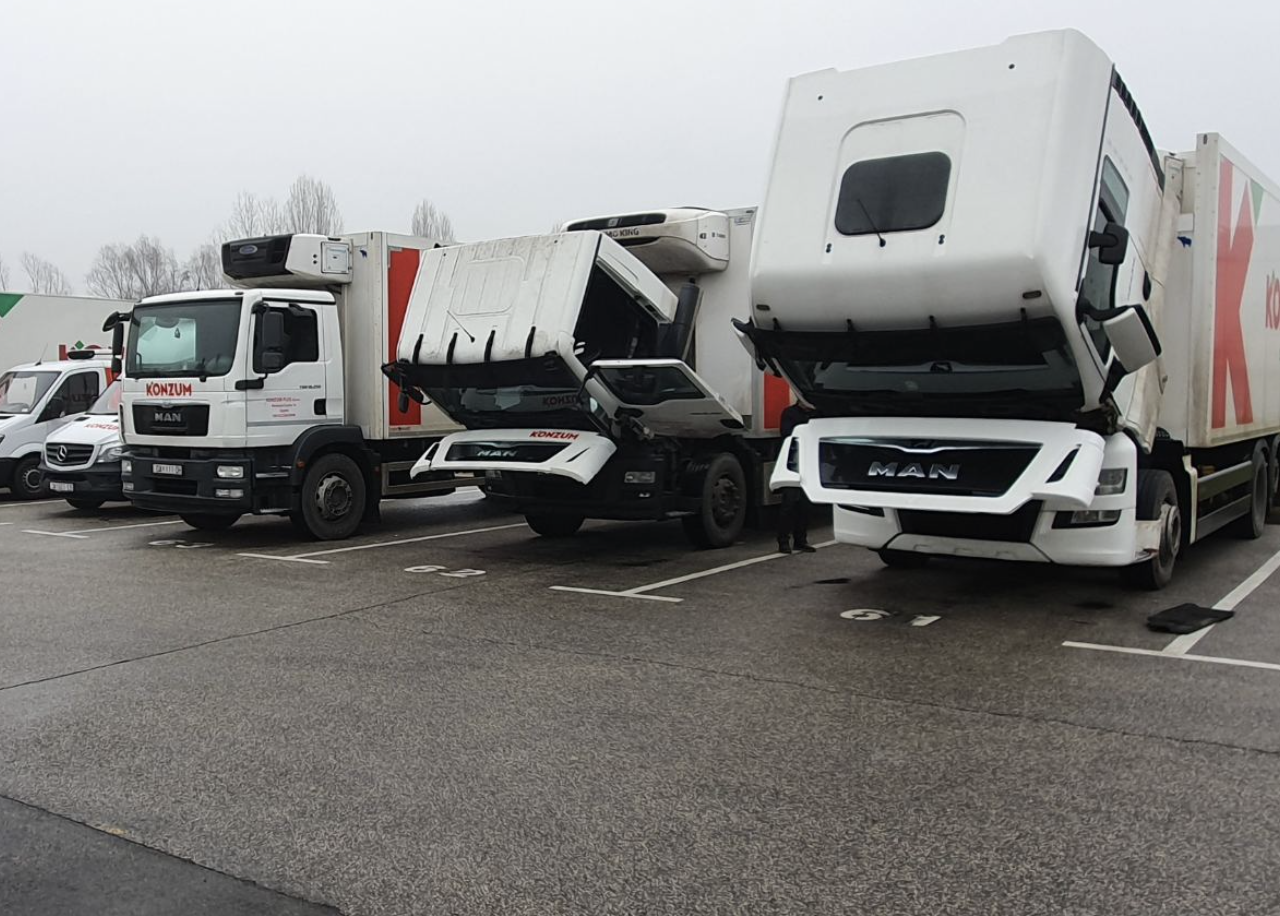
| Croatian PostSame national operation | Iveco S-Way ×2 | Urban, constant full load | −9.92% |
On a 2018 Renault Master running high-frequency urban delivery under constant full load, fuel consumption fell from 18.27 to 14.81 L/100km after fitting the aeBooster — a measured 18.9% reduction over a 2,322 km road trial on the operator's own data.
On the same national postal operation, two Iveco S-Way heavy trucks running urban routes under constant full load recorded a 9.92% reduction in fuel consumption, with drivers reporting improved throttle response — measured on the operator's own telematics.
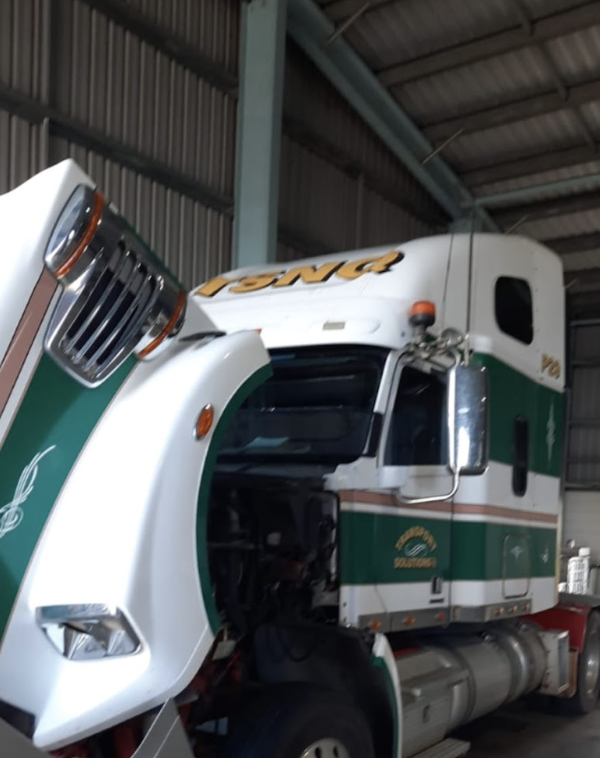
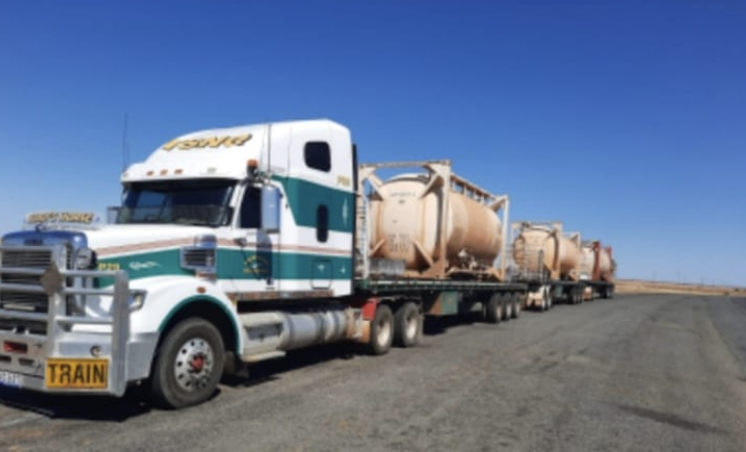
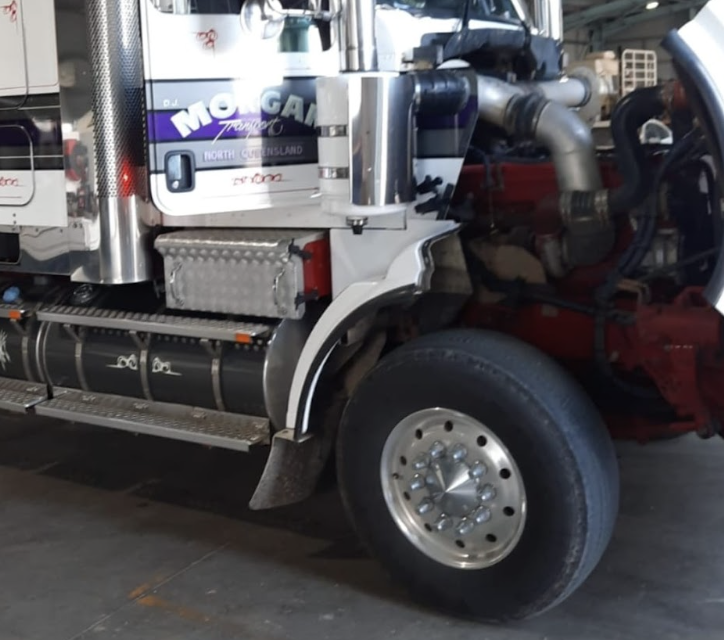
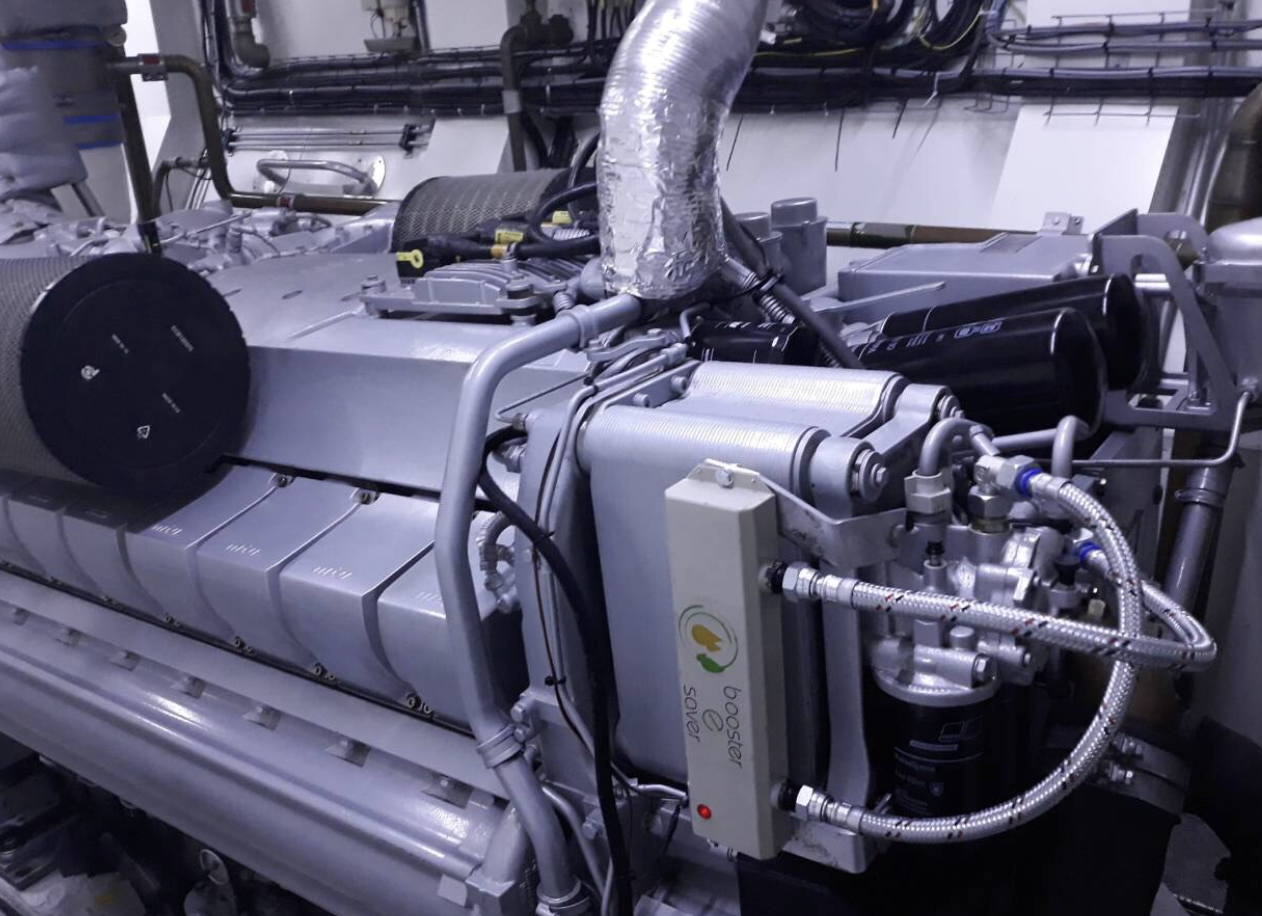
// Figures reflect specific deployments and duty cycles. Your verified result is established on your own telematics during evaluation.
Every claim is re-established on your own equipment, using the telematics you already run, before any fleet-wide commitment.
We build an efficiency model from your existing fuel and telematics data. No site visit required.
The full stack is fitted to a pilot unit you select, at our cost, during a normal service window. The asset stays on rotation.
Fuel consumption is tracked on your own Samsara, Motive, or Geotab data for 3–14 days. We read the same numbers you do.
If the data confirms the threshold, you scale on your terms. If it doesn't, the equipment is removed.
Aether Fleet Solutions exists because the fleet fuel-efficiency market is full of claims and short on proof. We took the opposite approach: engineer a system grounded in independent laboratory science, then prove it on the customer's own equipment before asking for a commitment.
Our Operational Immunity Stack pairs an electronic fuel filter with a bio-based surface catalyst to attack the two largest controllable costs on a fleet's P&L — fuel and maintenance — without touching the ECU, the warranty, or the driver's routine.
The standard we hold ourselves to is simple: a minimum 6% verified fuel reduction, measured on your telematics, or you owe nothing.
Aether Fleet Solutions (The Woodlands, Texas — founded 2022) is an authorized distributor of the Booster eSaver, Duravi, Inc., and Flex-O ECO product lines.
Share a few details and we'll build a baseline model and scope a verification pilot. No obligation, no instruments to purchase, no downtime.