Croatian Post (Hrvatska Pošta) ran its own independent trial of the aeBooster across two vehicle classes on live delivery routes. The manufacturer was not present. The numbers below are theirs.
Hrvatska Pošta (Croatian Post) is the national postal operator of Croatia, running daily parcel and mail delivery across the country with a mixed fleet of light delivery vans and heavy commercial trucks. Like any logistics operation, diesel is one of its largest controllable line items — and one of the hardest to move without disrupting routes, drivers, or schedules.
In November 2022, Croatian Post's vehicle department decided to test whether the aeBooster could reduce that cost on its own equipment, under its own routes, measured against its own baseline — without taking the manufacturer's word for anything.
The flagship test vehicle ran the Zagreb–Split–Zagreb "fast line" — one of the most demanding corridors in the network. The route is extremely busy, the vehicle is constantly full of cargo, and delivery deadlines are short (roughly four hours), so the truck is effectively under full engine load for the entire run to make the schedule.
Those are punishing conditions for a fuel-efficiency claim. A device that only performs on a gentle test cycle would have nowhere to hide here. That made it the right place to measure.
Across November 2022, Croatian Post tested vehicles with and without the device installed — independently, without the manufacturer or its representatives present.
Two Iveco S-Way trucks were run side by side: one with the aeBooster installed, one without. The device-equipped unit returned a 9.92% fuel saving.
A single 2018 Renault Master ran the Zagreb–Split fast line without the device from 1–14 November, then with the device installed on 15 November through 26 November — a clean before/after on the same vehicle and route.
Fuel consumption was tracked across 2,322 kilometres of real delivery driving. No lab cycle, no manufacturer instrumentation — the operator's own numbers.
The aeBooster fits between the fuel filter and the engine: a passive device with no moving parts, no calibration change, and no driver retraining. The vehicle goes back on its normal rotation the same day.
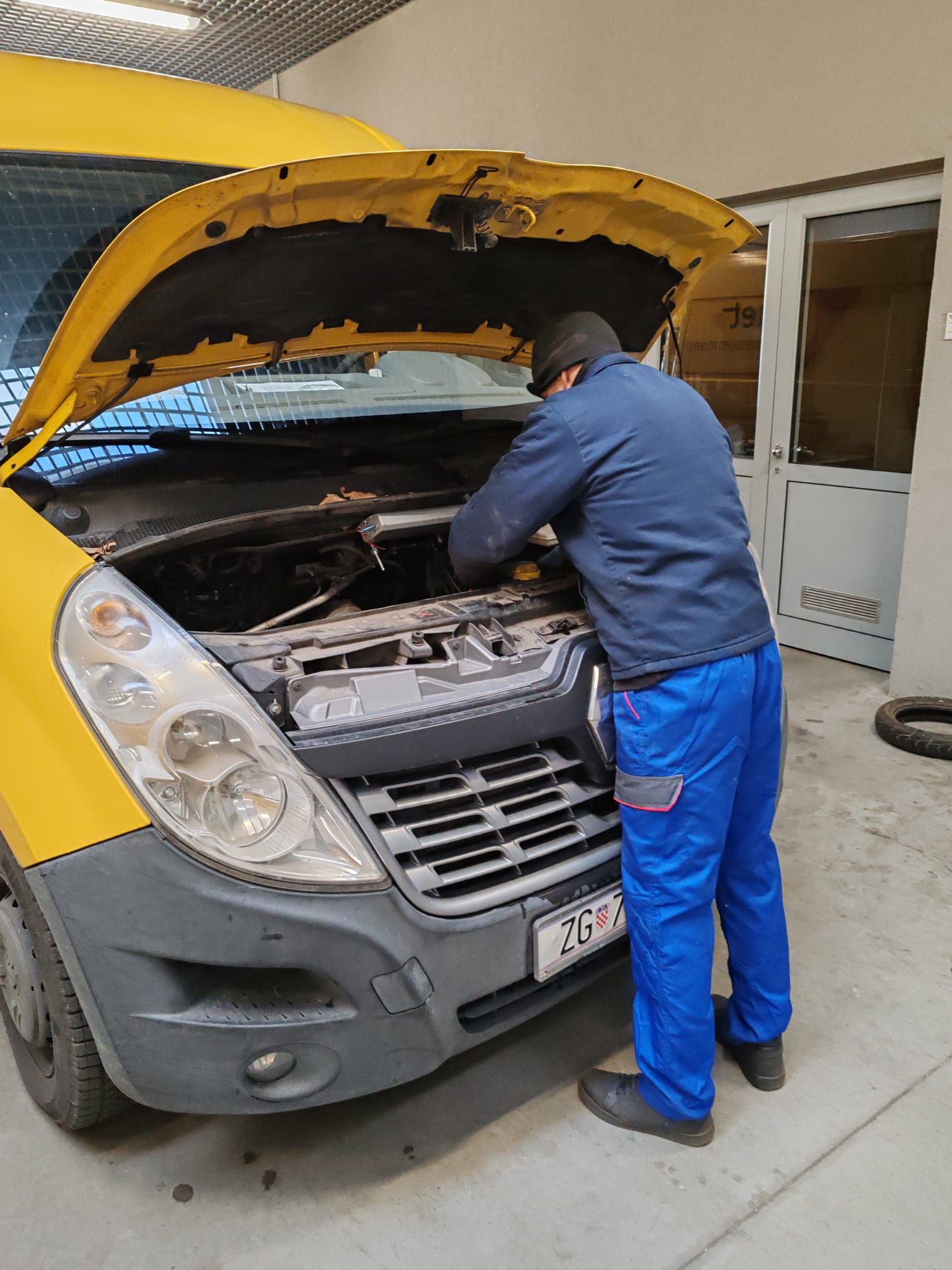
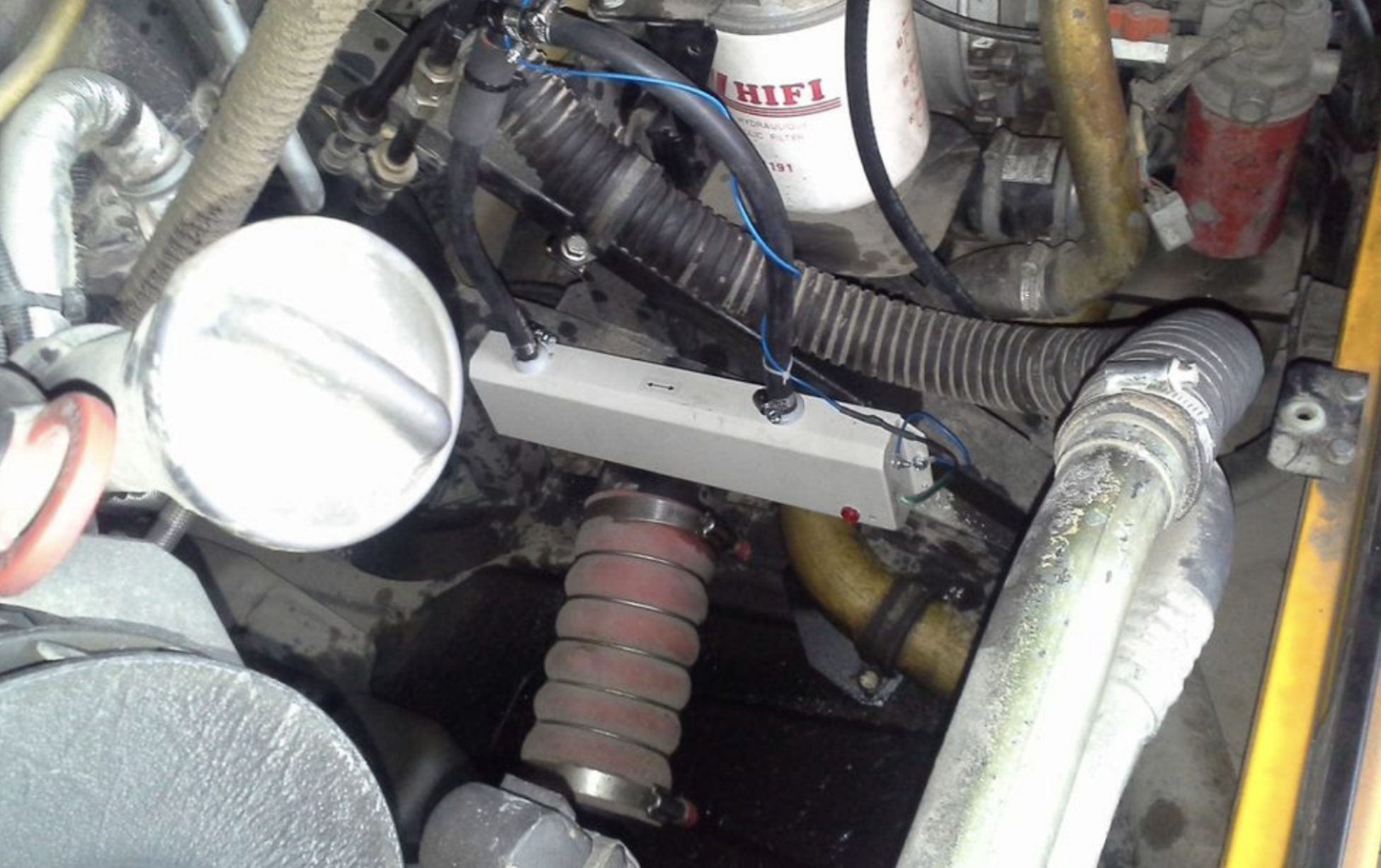
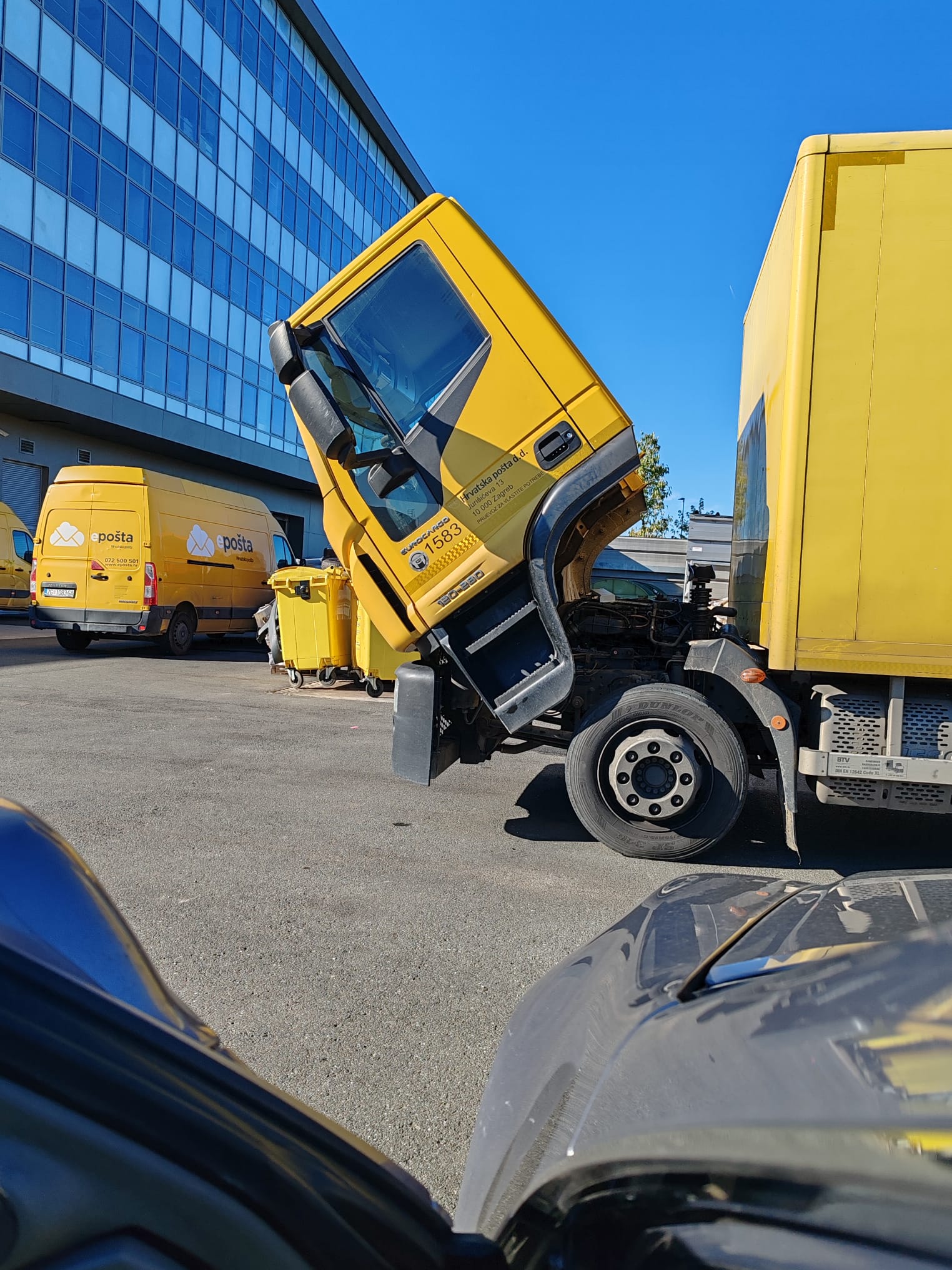
On the Renault Master, over 2,322 km of fast-line delivery, fuel consumption dropped by 3.46 litres per 100 km — an 18.9% reduction. Across that single cycle, that is roughly 80 litres of diesel saved on one vehicle. The two Iveco S-Way heavy units recorded a 9.92% reduction, and drivers reported the vehicles ran better after the device was fitted.
"On a total of 2,322 kilometers driven, fuel consumption decreased from the initial 18.27 to 14.81 liters/km… In a conversation with several drivers who drive this line, we learn that their subjective feeling is that the vehicle runs better after installing the device."
The most common objection in the diesel-efficiency market is that results come from the vendor's own test, on the vendor's own bench. This trial is the opposite: a national operator, testing on its own fleet and routes, measuring against its own baseline, with the manufacturer absent — and putting its name to the result in a signed letter from its logistics leadership.
We'll build a baseline from your telematics, install on a pilot unit at our cost, and measure the result on your data — to a 6% verified floor, or you owe nothing.
Request a verification pilot